
At least once a week, a woman tells me she carries a “Taser” for self-defense. This generally leads to a conversation I have so often, it’s become valuable to write this article.
Let’s start by immediately stating this: “women’s self-defense” is a MYTH. Self-defense is self-defense. The options that are actually effective (avoidance, de-escalation, jiu jitsu, pepper spray, firearms) are just as effective for men as they are for women. Speaking generally, men might be physically larger and stronger than women, but most men don’t really know how to fight empty-handed unless they’re in some kind of martial art or combat sport. Even then, going hands on with the sloppy drunk or IV drug user panhandling at the Stop & Rob gas station isn’t my idea of a good time anyway.
“Women’s self-defense” has become a buzzword used to attract women who know they’re more likely to be victimized and want to do something about it. Sadly, the arena of women’s self-defense is overflowing with bad information (looking at you, “just carry your keys between your fingers”), gimmicky products (see: belly bands, concealed carry purses), and faux experts. I could write a series of articles on the self-defense info & products marketed to women (and perhaps I will in the future), but for now I want to focus on one of the most prevalent things I see…the “taser.”
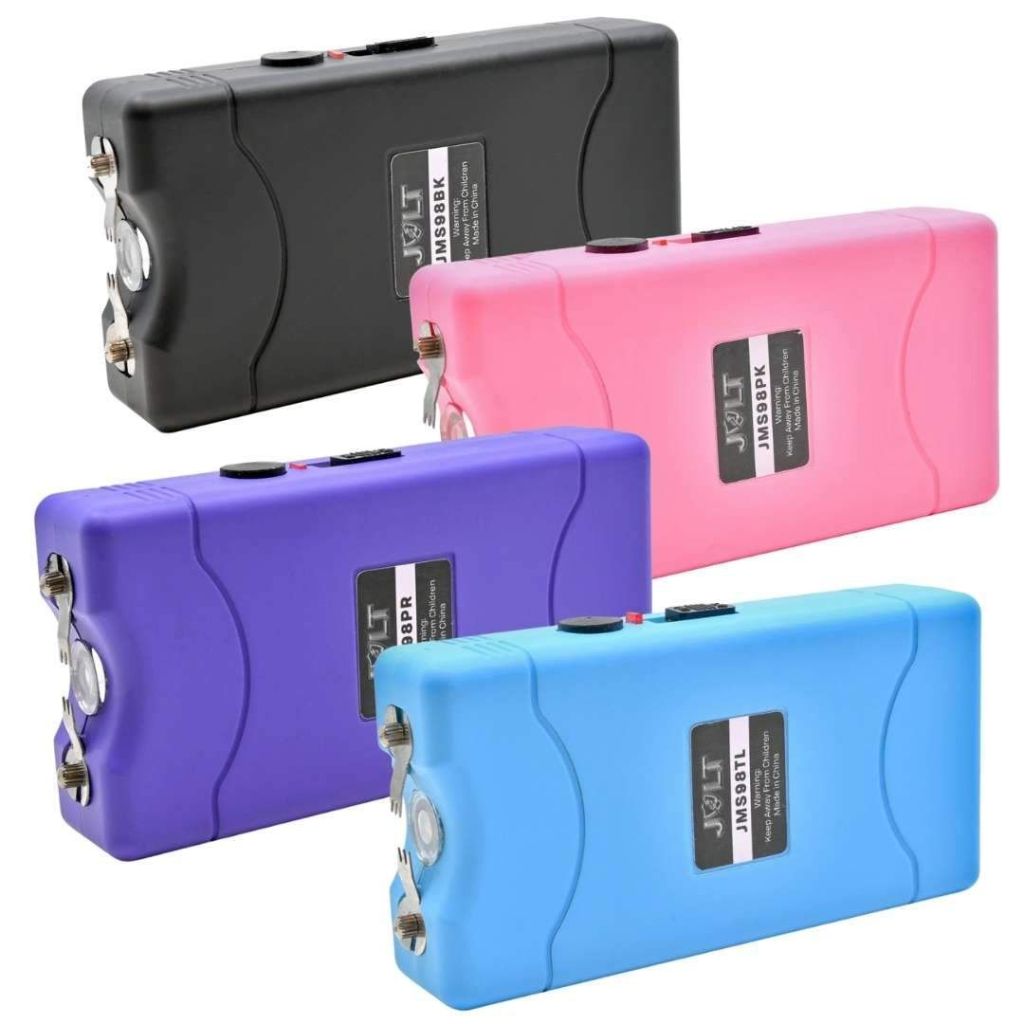
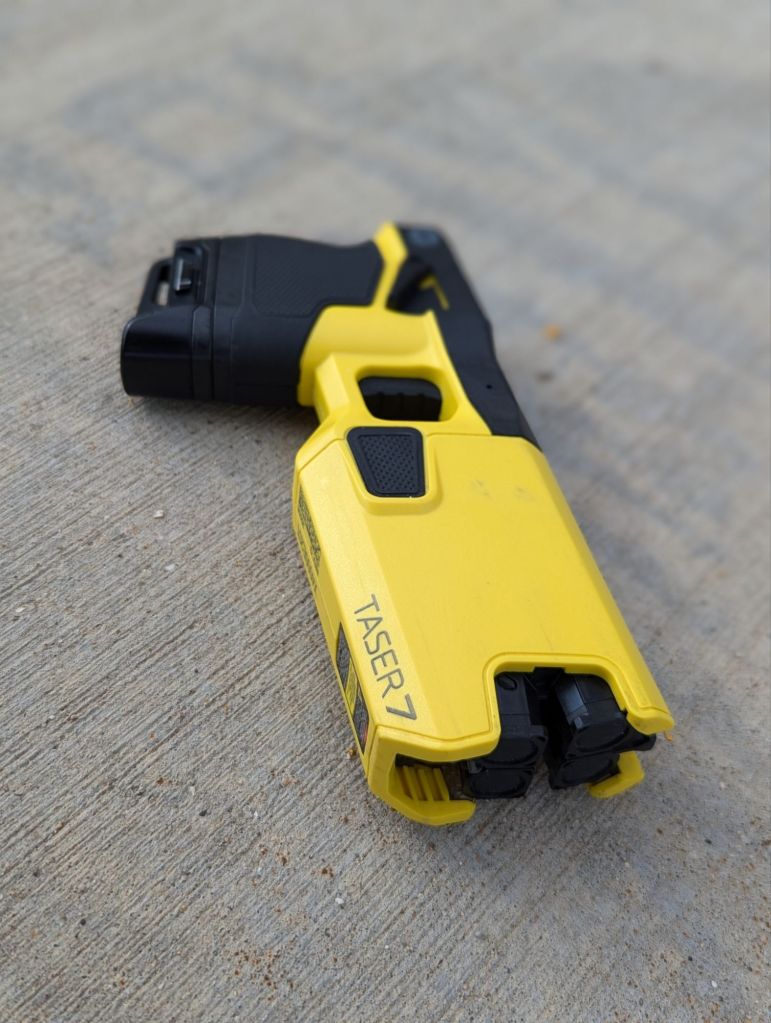
Let’s be clear: most women are not carrying a Taser unless they also carry a badge and a gun. Taser is a brand name for the Conducted Energy Weapon carried by security & law enforcement that shoots barbs attached to wires when fired. These devices work by achieving something called neuromuscular incapacitation, or NMI. The barbs are fired at opposing angles to create a wide spread, and the electricity arcing between them is what causes the subject’s body to “lock up.” Real Tasers can be purchased by civilians…for $500 or more.
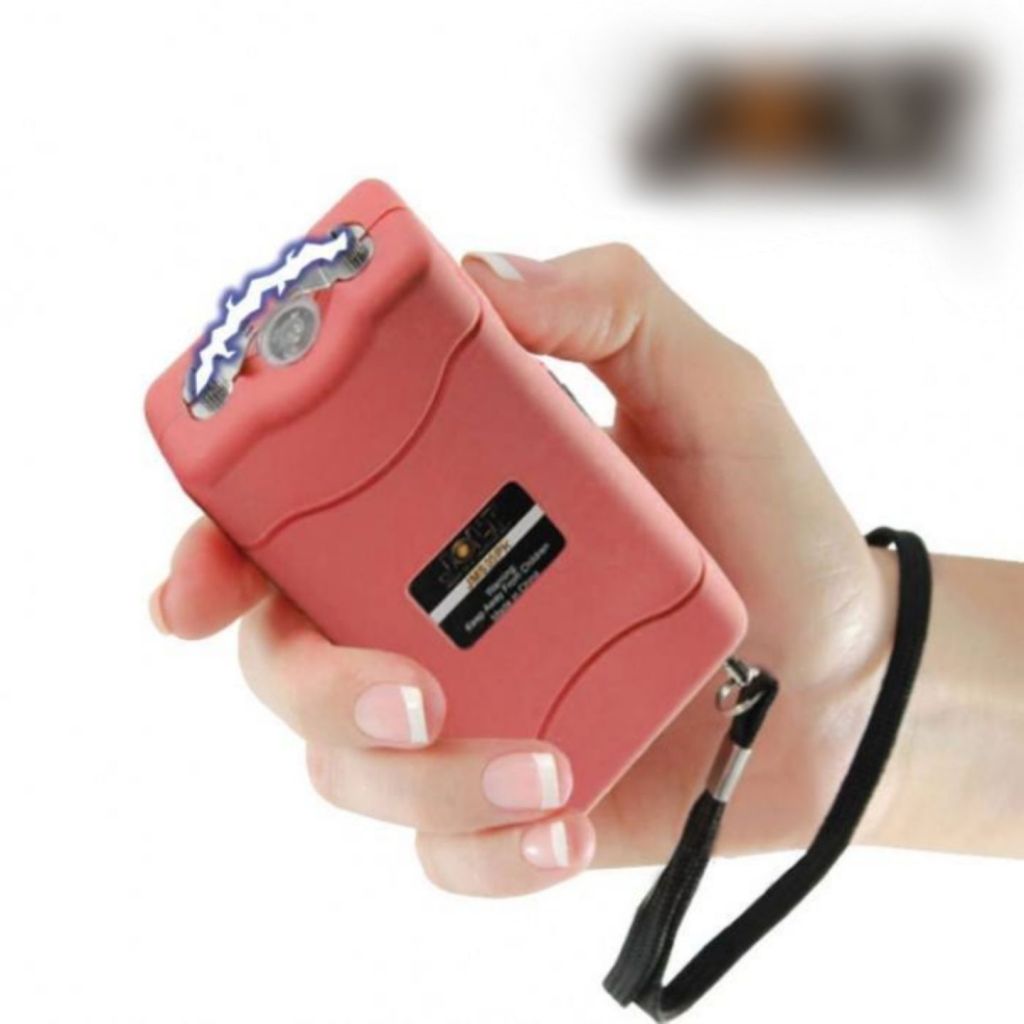
Self-defense stun guns are also Conducted Energy Weapons, but these civilian tools do not fire barbs – they simply arc electricity between two prongs on the device. Because the spread is much, much smaller, NMI is not possible. The subject won’t crumple to the ground like in the movies; stun guns only cause pain, nothing more. If the person you’re trying to protect yourself from has a high pain tolerance, or is heavily under the influence of alcohol or drugs, a little electric burn isn’t going to deter them and will probably just make them angry.
A much better option to carry for self-defense is quality pepper spray. Unlike a stun gun, pepper spray can be deployed from a distance, a long-range eye poke. As the primary goal of self-defense is escape, not closing distance, this is preferred. Additionally, because pepper spray activates the tear ducts and causes involuntary swelling of mucus membranes, even if your attacker can fight through the pain (or is under the influence of some substance) their vision will be significantly impaired. The effects may last for hours.
When it comes to pepper spray, there are a few things to pay attention to. The first is MCC, or major capsaicin content. This is a measure of how much pepper is in the spray, and is usually indicated on the product or packaging by a percentage value. The higher the percentage, the spicier the sauce. It is MCC, not Scoville units, that you want to look for when deciding on a pepper spray for self-defense.
The next thing to consider is the type of spray. There are multiple types – fog, stream, gel, and foam. Each has pros and cons and this article from POM Industries has detailed info on the differences, but to sum it up, stream is the type I generally recommend. It has great range and a fast activation time (yes, pepper spray takes some time to start working), can be used inside or outdoors, and is less likely to affect the user. While working in law enforcement, I have seen a subject scoop the gel off himself and throw it back at the officer.
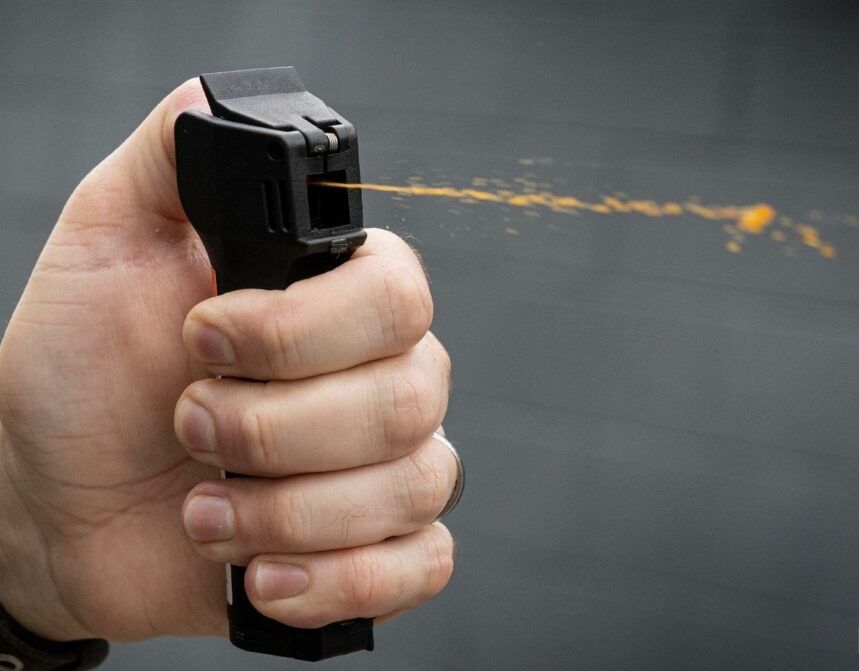
There are countless brands of pepper spray available, from Mace to Sabre. For everyday carry, I like POM Industries. It has a 1.4% MCC, which is pretty darn spicy, a 10-foot range, and 25 bursts in a small, easily concealable can. It comes in a variety of colors and with a belt clip or key chain attachment, and is extremely affordable as a single or in a pack on Amazon.
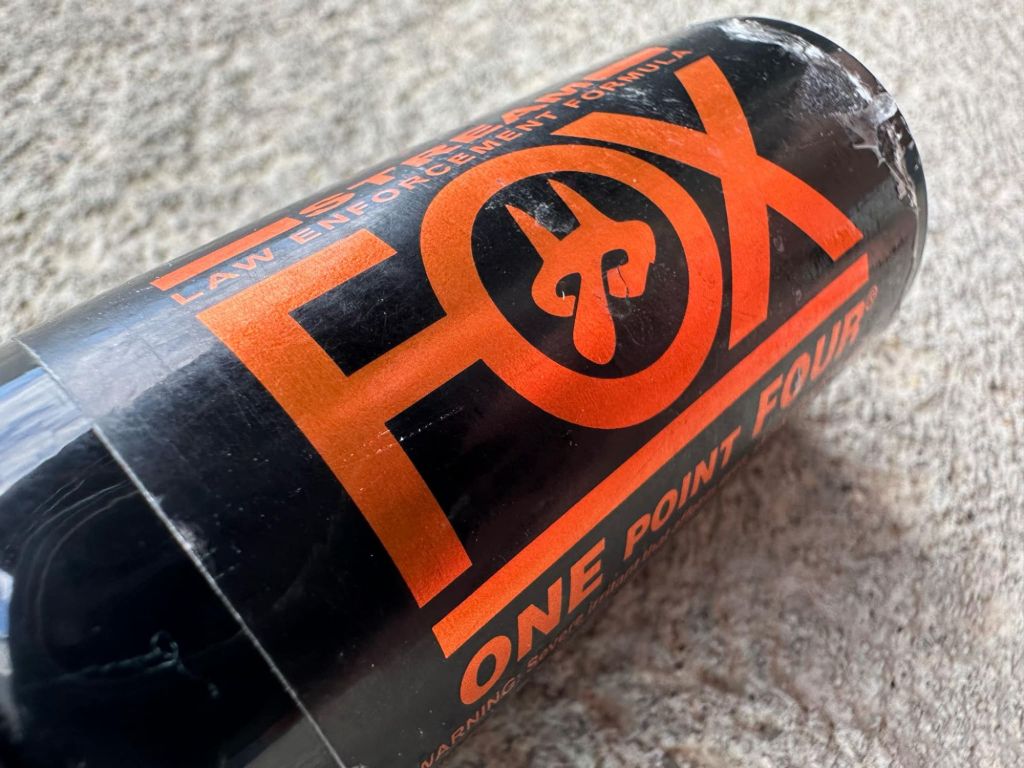
For uniformed work, my choice is Fox Labs. Available in the typical duty sizes, Fox offers a 1.4% MCC spray with an incredible 16-foot range. This would be an excellent option to carry in a purse or bag. Lesser concentrations are available so pay attention to what you’re buying.
Finally, wasp spray is for wasps and bear spray is for bears. Pepper spray is specially formulated for self-defense use and often contains a UV dye to help law enforcement identify someone who has been sprayed. As I’ve already mentioned, POM is extremely affordable…there’s no reason to buy an insect spray and try to use it on humans.

For a class that goes in depth on pepper spray options and tactics for self-defense, or for firearms, concealed carry, or Stop the Bleed classes, contact me at mike@vanguardtraining.net.

 vanguardtraining.net